Why should child protection agencies become trauma-informed?
Youth in foster care have high rates of trauma exposure. A trauma-informed child protection system can mitigate trauma’s adverse effects.
Youth in foster care have high rates of trauma exposure. A trauma-informed child protection system can mitigate trauma’s adverse effects.
A few jurisdictions are using birth match as a data-based strategy to predict future risk and harm of infants, but ethical tensions exist.
This bright spot describes how Georgia and Alabama created a border agreement to expedite placement of children with kin across state lines.

A study of high service users among youth in foster care in Tennessee and Florida using linked Medicaid and child welfare data.
Effective supervision contributes directly to improved outcomes. This issue brief explores how to design an effective supervisory training.

Our 2018 signature report explores how communities are building hope for children and families though innovation, knowledge and shared commitment.

This brief highlights considerations for child welfare agencies as they engage in predictive analytics.
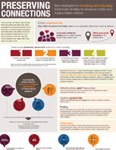
Explore best strategies for recruiting and retaining tribal foster families to help American Indian and Alaska Native children thrive in their culture.

We have always known that it is vitally important that we intervene as early as possible to ensure the safety of children.
This information packet helps in selecting and implementing child screening and assessment tools to inform case decision-making.